




Press Release
October 06, 2026
Isuzu and UD Trucks to exhibit at JAPAN MOBILITY SHOW BIZWEEK 2026
Read More
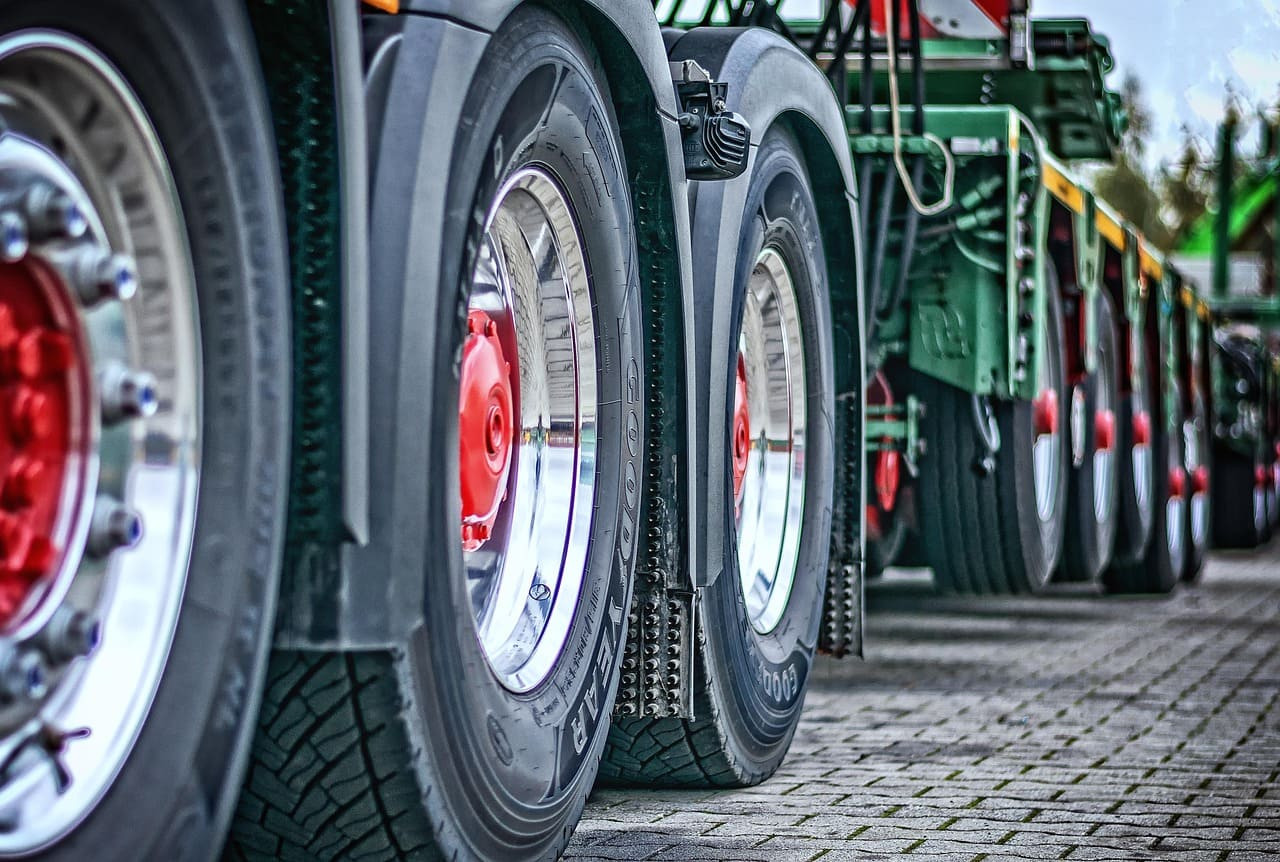
Rising fuel costs and growing environmental responsibility are placing unprecedented pressure on the logistics industry. Even when companies introduce the latest trucks, expected performance gains are not always realized. Have you ever faced this frustration?
In reality, the only point of contact between a truck and the road—the tire—is the single most critical factor influencing fuel efficiency and safety. Around the world, tires are no longer viewed as disposable consumables, but are being reassessed as essential assets that support logistics operations.
This article explains how tires have evolved and how they can support business performance. Simply changing how tires are perceived may also change the future of your company.

While the logistics industry focuses on engine performance, electrification, and digital technologies, tires are often overlooked. Yet tires are the sole interface between the vehicle and the road, determining safety, fuel efficiency, and CO₂ emissions.
As fuel prices rise globally and decarbonization pressures intensify, the more advanced vehicle performance becomes, the greater the relative impact of tire performance. Once treated as items selected at the end of the process, tires are now shifting toward becoming core components that should be considered from the very beginning of vehicle design.
Rising prices for heavy-duty truck tires have attracted attention in recent years. However, the underlying reason is not simply higher raw material costs, but a fundamental change in value driven by advances in internal structure and material design.
One of the most significant advances lies in nanoscale material design. Traditional tire development faced inherent trade-offs. Efforts to reduce rolling resistance to improve fuel efficiency often compromised grip or wear resistance.
Today’s high-end tires precisely control the molecular structure of rubber at the nanoscale level. By optimizing the balance of silica and carbon at the molecular level, these tires reduce friction to significantly improve fuel efficiency, while still providing strong road grip when needed and maintaining long service life. This previously unattainable balance of multiple performance characteristics forms the legitimate foundation of modern tire pricing.
A tire price list is only an entry point. Even if a heavy-duty truck tire is purchased at a very low price, its true economic value can only be assessed across the entire operational lifecycle.
Tires selected solely based on low cost may have higher rolling resistance, increasing fuel consumption. Faster wear also leads to more frequent replacements, driving up costs over time.
What truly matters are concepts such as cost per kilometer and total cost of ownership. Evaluating not only purchase price, but also fuel efficiency, service life, retreadability, safety performance, and downtime risk reveals genuine cost performance. Tires are not merely purchases—they are strategic investments.
To maximize returns on this investment, it is essential to understand three inherent weaknesses unique to heavy-duty truck tires.
When viewing tires as strategic investments, it is critical to understand the three physical characteristics unique to heavy-duty trucks: quantity, size, and weight. These factors directly influence fuel consumption and maintenance costs.
A heavy-duty truck typically uses ten tires, and a tractor–trailer combination uses even more. Inspecting air pressure and damage across so many tires requires considerable effort.
In addition, front tires are responsible for steering, while rear tires support load and transmit driving force. Without proper management of these differing roles, certain tires wear out prematurely, resulting in unnecessary replacement costs.
Truck tires are large to support heavy loads, but this also increases friction with the road surface. Rolling larger tires requires greater force, which directly translates into higher fuel consumption.
Selecting inappropriate tire sizes can create a condition similar to driving with constant braking applied, gradually wasting fuel without operators realizing it.
A single heavy-duty tire can weigh between 50 and nearly 100 kilograms. Moving ten such tires requires substantial energy during every start and acceleration.
For electric trucks, where power delivery is immediate, tire weight directly affects driving range. Achieving lighter yet durable tires has become a critical challenge in controlling future logistics costs.
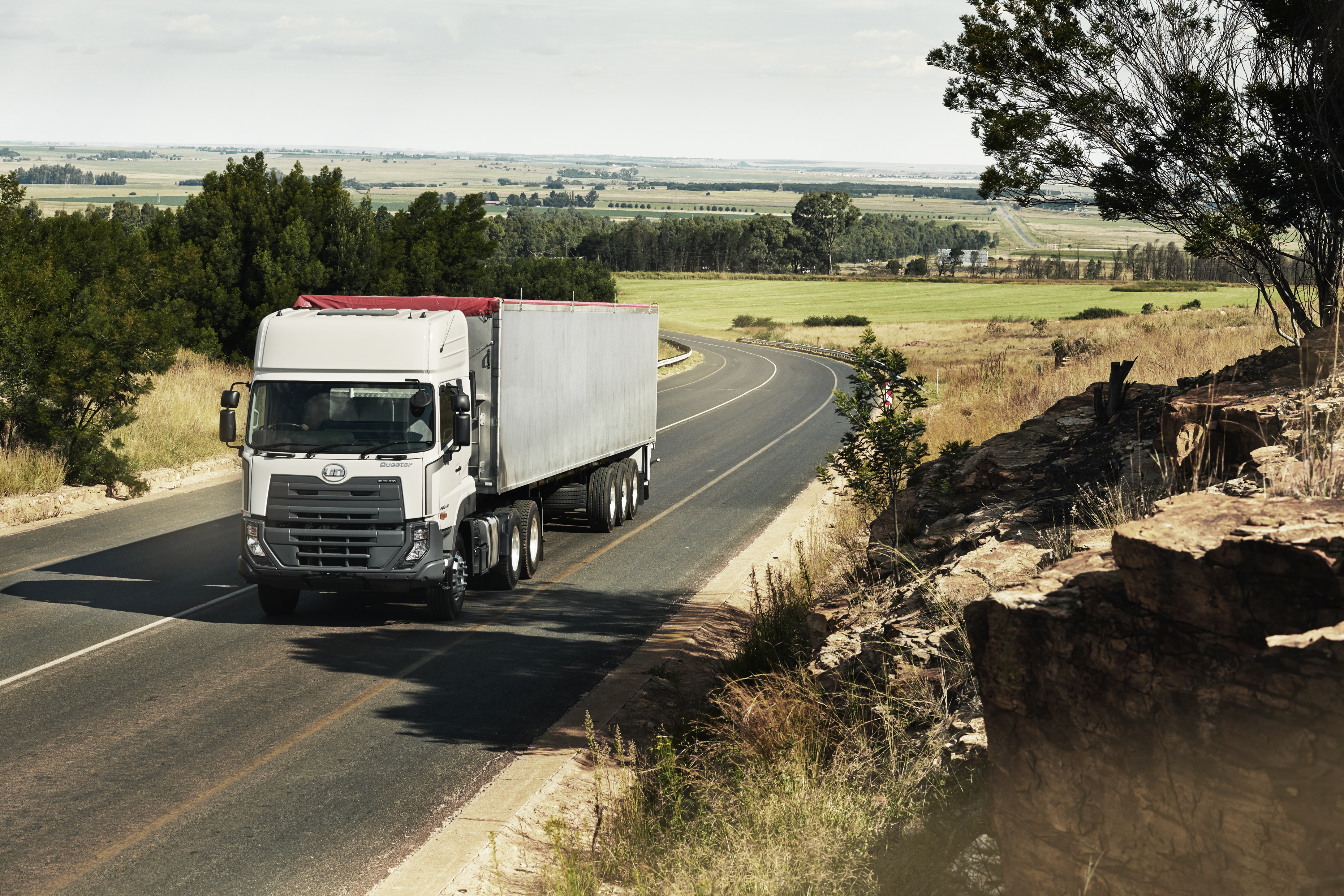
To overcome the challenges of quantity, size, and weight, three major technological advancements are reshaping tire performance and economics.
Retreading can be compared to replacing the sole of a shoe. The tire casing, which is the most robust and costly component, is reused while the worn tread is replaced with new material.
Especially in Europe, retreading is widely adopted as a solution that balances environmental responsibility with economic efficiency.
Traditional tire management relied on reacting after pressure loss occurred. Today, Tire Pressure Monitoring Systems (TPMS) continuously monitor air pressure and temperature.
Sensor technologies visualize pressure, temperature, and wear conditions in real time. More advanced systems analyze high-frequency data, including braking force, load changes, and cornering stress, using AI to continuously assess tire health.
This approach, often referred to as a “tire digital twin,” digitally replicates physical tire conditions to predict wear patterns and service life. Integration with fleet management systems enables early detection of puncture risks and abnormal wear, supporting planned maintenance.
Eco tires, also known as low rolling resistance tires, are designed to reduce energy loss during tire rotation and help lower fuel consumption.
In the past, eco tires were often thought to wear more quickly. However, advances in material technology have improved durability, and modern eco tires now balance fuel efficiency with sufficient service life.
Although fuel efficiency gains per vehicle may be limited, for companies operating fleets of ten, fifty, or more trucks, these improvements can translate into substantial annual fuel cost savings.
Heavy-duty truck tires are no longer simple black rubber components. They have evolved into precision devices that improve fuel efficiency, protect safety, and support environmental goals.
Whether tires are viewed as consumables purchased at the lowest price or as investments that protect profitability will make a decisive difference in navigating the increasingly demanding logistics environment. The tires supporting your trucks deserve a closer look at their true value and potential.